
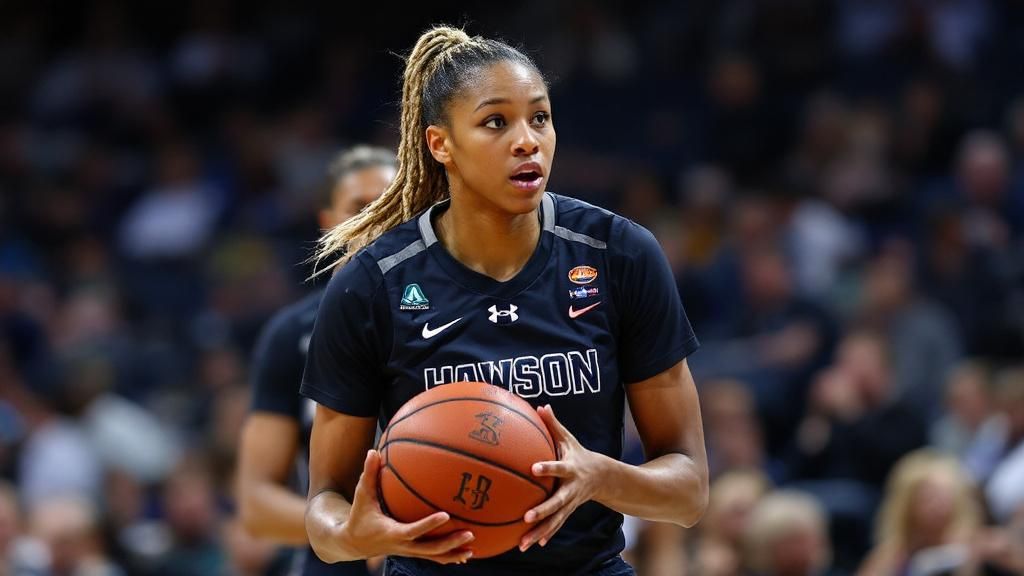
The first-ever women’s basketball tournament has surpassed projections, drawing unprecedented crowds to venues nationwide and breaking established benchmarks in the process. From completely full stadiums to overflow attendance, the competition has gripped public interest like never before. This article investigates the impressive crowd numbers, determines which locations drew the largest crowds, and analyses the drivers fuelling this exceptional increase in fan engagement—marking a pivotal turning point for women’s sport in Britain.
Record-Breaking Visitor Numbers
The women’s basketball tournament has surpassed all projections, with cumulative attendance figures reaching historic numbers across the nation. Organisers anticipated approximately 150,000 spectators throughout the event; however, end totals surpassed this estimate by a substantial degree. Several venues reached capacity weeks in advance, whilst others implemented additional seating arrangements to accommodate the exceptional interest. This exceptional participation demonstrates a fundamental shift in public attitude regarding women’s professional sport and validates the funding allocated for developing competitive women’s basketball at the top tier.
Individual match attendance records have been systematically broken across the entire tournament. The semi-final match witnessed 8,500 spectators, setting a new benchmark for women’s basketball in the UK. Multiple venues recorded their biggest attendances in recent sporting memory, with some arenas surpassing their usual capacity levels. The regular sell-outs throughout different regions demonstrate that interest in women’s basketball goes far further than established centres. This geographical spread suggests genuine nationwide interest rather than isolated pockets of support, underlining the tournament’s significance.
The surge in attendance reflects growing cultural movement surrounding women’s athletics in Britain. News coverage, online engagement, and community promotion efforts have together fostered increased visibility and accessibility. Strategic pricing models, created to encourage participation from varied economic circumstances, appear to have substantially widened the fanbase. The event’s success provides compelling evidence that substantial audiences support women’s sporting events when adequate promotional support and infrastructure are invested. These record-setting numbers establish a new baseline for upcoming women’s basketball events.
Fan Engagement and On-Site Experiences
The tournament’s unprecedented attendance figures demonstrate far more than simple statistical success; they highlight a core shift in how audiences interact with women’s basketball. Attendees made trips far and wide, taking families and friends to see exciting games and honour athletic excellence. The electric energy fostered in venues built genuine community connections, with fans demonstrating passion through structured cheering, creative signage, and sustained support throughout tournament fixtures, setting new benchmarks for fan participation in women’s sports.
Upgraded Facilities and Amenities
Organisers understood that impressive visitor volumes required aligned expenditure in venue infrastructure and spectator experiences. Up-to-date amenities, including enhanced seating layouts, improved sightlines, and contemporary concession areas, ensured spectators enjoyed pleasant viewing conditions. Improved illumination technology and advanced sound systems enhanced the event atmosphere, whilst accessible facilities accommodated diverse audience requirements. These comprehensive improvements established the competition as a top-tier sporting showcase, encouraging continued patronage and positive word-of-mouth recommendations amongst the wider public.
Beyond physical infrastructure, venues introduced creative supporter engagement initiatives that elevated the overall experience. Interactive zones, merchandise stands, and face-to-face encounters with athletes created memorable moments for supporters. Digital integration through digital platforms provided instant information, player information, and social media connectivity, letting audiences take part in the tournament narrative. Family-oriented activities, including shows at half-time and dedicated children’s areas, guaranteed inclusion across all age groups and demographics.
- Premium hospitality packages offering premium seating and dining facilities
- Engaging fan zones featuring basketball engagement and skills showcases
- Inclusive facilities including wheelchair spaces and sensory-friendly spaces
- Entertainment performances and performance shows throughout the match and between periods
- Branded merchandise outlets and signature sessions at various locations
The joint funding for improved infrastructure and fan satisfaction significantly boosted the tournament’s historic attendance achievements. Venues that focused on visitor comfort and interaction regularly showed greater attendance levels and notably positive feedback from spectators. This success illustrates that modern sporting audiences require complete experiences reaching past competitive play alone, prioritising ease of access, entertainment, and community engagement alongside athletic skill and competitive quality.
Impact on Women’s Basketball Growth
The record-breaking attendance figures signify a turning point for women’s basketball in Britain. These unprecedented numbers showcase considerable audience interest for top-tier women’s athletics, questioning long-held assumptions about spectator engagement. The tournament’s success has justified investment in women’s athletics and prompted governing bodies to reassess funding allocations. Media coverage has expanded significantly, introducing basketball to wider demographics previously unfamiliar with the sport. This visibility creates a virtuous cycle, encouraging participation at community level and inspiring young athletes to develop professional ambitions in basketball.
Sponsorship and commercial interest have surged following the tournament’s success. Leading corporations recognise the marketing potential of women’s basketball, with numerous companies committing significant funding to future events. This financial influx enables better pay for athletes, better facilities, and improved event management. The growing financial returns allow leagues to fund athlete development initiatives and grassroots initiatives. Furthermore, business support legitimises women’s basketball as a serious sporting enterprise, elevating its status across professional sports and attracting additional investment from established organisations looking to align with this growing movement.
Looking forward, the tournament’s success establishes momentum for ongoing growth in women’s basketball. Tournament organisers are already planning larger-scale competitions and additional venues for forthcoming competitions. Increased attendance and engagement suggest promising routes for professional women’s basketball leagues to flourish commercially. The evident supporter commitment and enthusiasm provide confidence for sustained strategic development and infrastructure development. As player numbers increase and media interest intensifies, women’s basketball is set to establish itself as a pillar of the British sporting landscape, engaging generations of athletes and enthralling audiences nationwide.
